
Viewing 1 - 6 out of 7
Veterinary Topics

Equine
Caring for Your Horse
Horse owners form a special bond with their horses, but this close connection comes with the responsibility of caring for your equine companion throughout its life. This means taking care of your horse every day throughout the year, come rain or shine. If you do this well, your horse can live up to 35

Equine
Barns to Pastureland
If you are to get the best from your horse, it is vital that you provide him with a happy, comfortable and safe home environment. This applies whether he is kept in a horse barn or in a field. As a general rule, a particularly fine-coated horse, or one that is in hard work, needs to be stabled during

Equine
Physical Exam
Your horse might look as healthy as, well, a horse, making you wonder whether he really needs an annual exam. However, if anything is wrong with your horse’s health, it’s always better to detect a problem earlier rather than later. Your equine veterinarian can also advise on preventive measures to

Equine
Nutrition
You can divide horse nutrition into six categories: carbohydrates, protein, fat, vitamins, minerals and water. If you get the right feed for your horse, it might take care of the first five. Supplement the feed with plenty of water, and your horse should have all of its needs met. However, to be sure

Equine
Horse Health
Looking after a horse is a complicated and, at times, trying experience. Part of a well horse health program includes routine vaccination and deworming. In addition to caring for the inside, however, two simple ways to maintain horse health are regular grooming and equine massage. Vaccinations Vaccinations
Equine
Hoof Health and Care
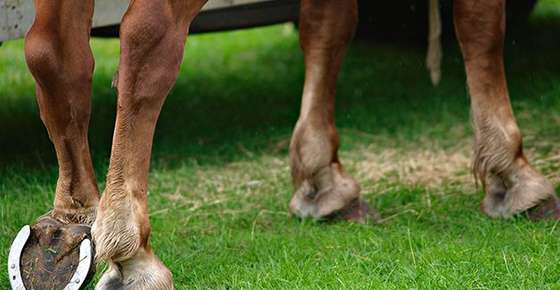
Horse hooves are complex structures that tell you a lot about your horse’s health and wellbeing. They’re also susceptible to many problems. Here are a few hoof basics as well as some of the major hoof issues your horse faces. Anatomy If you look at the bottom of a horse’s hoof, you’ll see two
PRACTICE HOURS
Our Regular Schedule
Our Regular Schedule
Monday
09:00 am - 05:00 pm
Tuesday
09:00 am - 05:00 pm
Wednesday
09:00 am - 05:00 pm
Thursday
09:00 am - 05:00 pm
Friday
09:00 am - 05:00 pm
Saturday
Flexible Schedule
Sunday
Flexible Schedule