
Viewing 19 - 24 out of 34
Veterinary Topics
Newsletter Library
Coupling Equine Nutrition & Acupuncture
Integrated medical care for horses has been shown to not only enhance their overall performance in competition, but benefit their everyday well being. According to the International Veterinary Acupuncture Association, acupuncture can be effective to both prevent illness and treat specific equine health

Newsletter Library
Caring for Senior Horses
With proactive veterinary care, horses can live well into their late 20s and early 30s. In fact, the average life expectancy for most horses is now between 28 and 33 years. Basic senior wellness care includes dental care, balanced nutrition, and hoof care. This care ensures horses remain healthy and
Newsletter Library
Advances in Equine Breeding & Assisted Reproduction
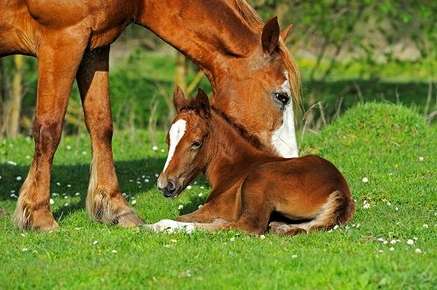
Assisted equine reproduction has opened up new possibilities in the equine sporting community for horses where this was once limited. With the help of your equine veterinary specialist you can determine if your horse is an ideal candidate for this process either to become artificially inseminated or
Newsletter Library
Preventing Thrush in Horses
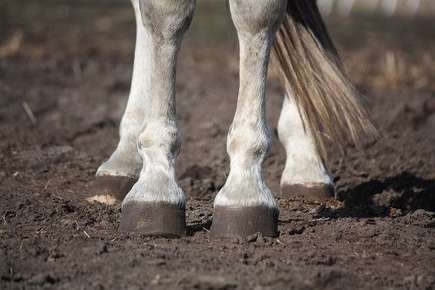
Thrush is a bacterial infection, and one of the most common diseases, affecting horses’ hooves. You will likely know it when you see — and smell — it. The pungent, tar-like black discharge collects in the sulci, or grooves, along the sides of the frog, the triangular structure that covers about

Newsletter Library
Select the Right Saddle
The right saddle will make a significant difference for both you and your horse and ensure a safe, balanced and relaxing ride. Comfort is key; if the rear of the saddle is up after you cinch the saddle on your horse, or if the saddle wants to roll after you place it on, the saddle is not the correct

Newsletter Library
Strategic Deworming for Equines
If you are a long time horse owner, you may be familiar with traditional parasite control strategies. Traditionally, the most common parasite control approach called for horse owners to deworm their horse year round every six to eight weeks, rotating products. Alternatively, horse owners also could opt
PRACTICE HOURS
Our Regular Schedule
Our Regular Schedule
Monday
09:00 am - 05:00 pm
Tuesday
09:00 am - 05:00 pm
Wednesday
09:00 am - 05:00 pm
Thursday
09:00 am - 05:00 pm
Friday
09:00 am - 05:00 pm
Saturday
Flexible Schedule
Sunday
Flexible Schedule