
Viewing 13 - 18 out of 18
Veterinary Topics

Equine
Metabolism
Metabolism in horses — and in other animals — refers to all the body’s complicated processes that break down food, drink and drugs to provide nutrients and energy for living. Anabolic reactions generally happen soon after eating, to build structural parts of the body, such as muscles. Catabolic

Equine
Immunodeficiency Disorders
Immunodeficiency disorders in horses are rare conditions that prevent the immune system from protecting the horse against viral, bacterial or other types of infections. These disorders can affect different parts of the horse’s immune system. They may be present at birth or develop later on in the horse’s

Equine
Kidney and Liver Problems
Horses are rarely prone to kidney or liver problems. Damage to both organs is much less common in horses than it is in cats or dogs. However, some aging horses do suffer from progressive and irreversible diseases of the liver or kidneys. Unfortunately, problems with these organs are seldom diagnosed

Equine
Hives and Skin Allergies
The skin is the largest organ in the body and serves many important functions. In spite of its usefulness, a horse’s skin can also develop redness, itchiness or hives in response to various substances in the environment. These kinds of allergic reactions can be caused by things eaten, inhaled or touched
Equine
Hernias
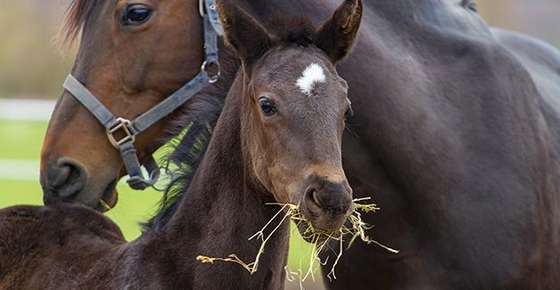
Hernias A hernia is a tear in the body wall of a horse that allows the internal organs to push through to a place where they don’t belong. There are several types of hernias. They can affect horses of any age or breed. Horses may have a defect at birth (congenital) that increases the risk of a hernia,
Equine
Headshaking
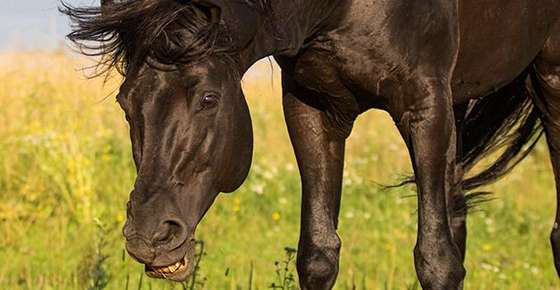
Head shaking shows up in horses as uncontrollable shaking, jerking or flicking of the head, with no obvious physical irritation causing the condition. While some cases may be mild, head shaking can be severe enough to make a horse dangerous or unsuitable for riding. Other symptoms that may occur alongside
PRACTICE HOURS
Our Regular Schedule
Our Regular Schedule
Monday
09:00 am - 05:00 pm
Tuesday
09:00 am - 05:00 pm
Wednesday
09:00 am - 05:00 pm
Thursday
09:00 am - 05:00 pm
Friday
09:00 am - 05:00 pm
Saturday
Flexible Schedule
Sunday
Flexible Schedule