
Viewing 133 - 138 out of 141
Veterinary Topics

Newsletter Library
Prevent Incurable Horse Virus
Eastern equine encephalitis virus (EEEV) is transmitted by the bite of an infected mosquito, advises the Centers for Disease Control (CDC). The virus is rare and causes inflammation of the brain called encephalitis. Animals, especially horses, are vulnerable to this infection. "All equine cases are
Newsletter Library
Nutrition Affects a Horse's Behavior
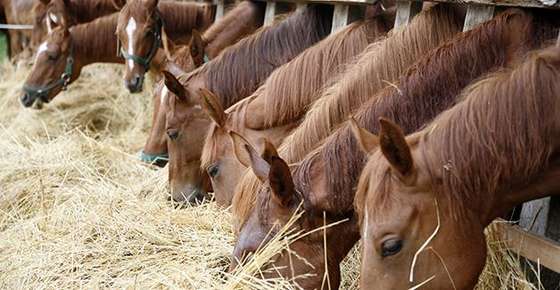
Has your horse not quite been themselves lately? Have you noticed unusual fatigue or conversely, excitability? You may be surprised to learn that nutrition and dietary choices play a significant role in determining equine behavior. And, it is not simply what they eat, but how. Horse owners often report
Newsletter Library
Horse Talk: Oral Exams Matter at Every Age
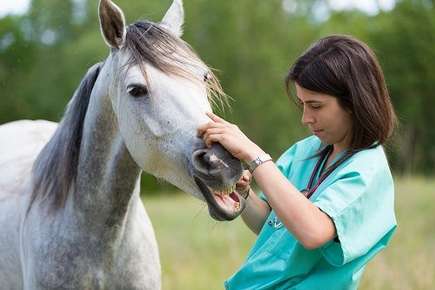
Regular dental care is an important part of equine wellness care. Horses have a hypsodont tooth and an anisognathic jaw conformation. This means that the upper jaw is wider than the lower jaw, an arrangement that maximizes a horse’s chewing efficiency. A horse’s teeth and bite are important for more
Newsletter Library
Keeping Your Horse Free of Colic
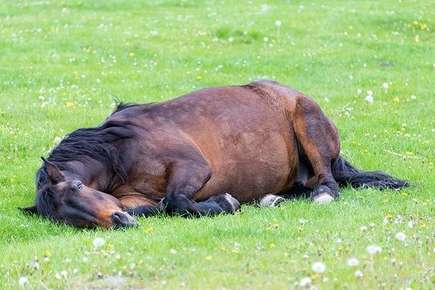
Colic, in its more severe manifestations, takes more horses' lives than any other common equine ailment. If your horse has frequent bouts with this painful form of digestive upset -- or if you would like to protect him from having such problems in the future -- it's best to understand what causes colic

Newsletter Library
Foaling Injuries and Complications
If your mare is about to give birth, chances are that the foal will emerge normally and in good health..However, just as human births can develop complications, equine births can present complications, and these complications may threaten the mother, the foal, or both. It helps to know what might happen

Newsletter Library
Equine Laminitis
Have you noticed changes in your horse's gait? Are they showing signs of fatigue or are disinterested in exercising? Equine laminitis is inflammation of the sensitive and insensitive laminae in horse's feet and generally occurs bilaterally in the front feet. This multi-faceted issue tends to run in heavier
PRACTICE HOURS
Our Regular Schedule
Our Regular Schedule
Monday
09:00 am - 05:00 pm
Tuesday
09:00 am - 05:00 pm
Wednesday
09:00 am - 05:00 pm
Thursday
09:00 am - 05:00 pm
Friday
09:00 am - 05:00 pm
Saturday
Flexible Schedule
Sunday
Flexible Schedule